
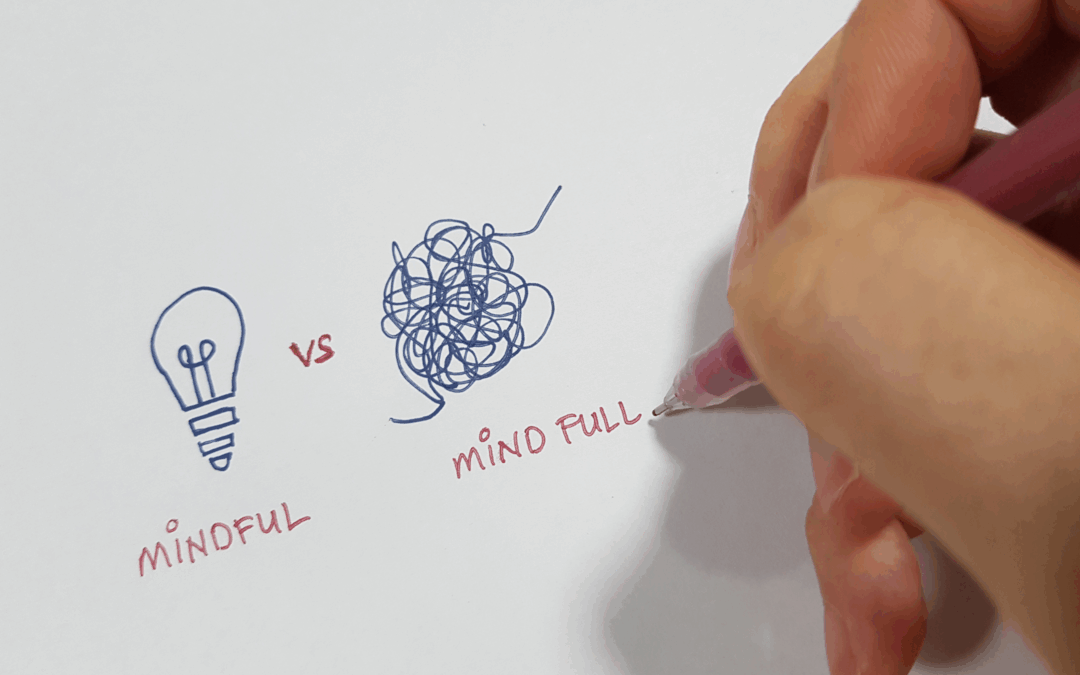
Mindfulness and Anxiety
I know that some people believe that Mindfulness is not for them because they haven’t got the time or don’t think they will be able to focus on meditation due to their busy, wandering mind. In fact, Mindfulness can help with anxiety, even though those who are anxious usually have minds that never stop thinking. Mindfulness is also very helpful with depression and it does not necessarily involve a lot of time, though it does require a degree of discipline.
Mindfulness has no goal, there is nothing to achieve, it is simply waking up to our experience in this moment – our thoughts, feelings, physical sensations or simply the feeling of our breath. To practice Mindfulness, you don’t need to spend hours at it, but you do need to find the time to practice regularly for you to gain the most benefit.
What is Meditation?
There are lots of different ways to meditate and I find Mindful meditation the easiest. Put simply, the only thing you have to do is to focus on something in the present moment. Frequently this is the sensation in your body as you breathe but it can be the sensations in each part of your body in turn; or external things like the sounds you can hear or what you can see. There are also movement meditations and, if you practice Yoga, you can include that in your mindful regime.
How/Why do You Practice Mindfulness & Meditation
We all have the ability to bring ourselves mindfully into the present moment whenever we choose, simply by focusing on our breath for a few moments or by doing routine tasks mindfully by staying in the present with the task rather than allowing our mind to wander. The course I teach includes formal meditation for learning purposes but, more importantly, it gives us ways of managing our anxiety and/or depression. However regular mediation has benefits for everyone in terms of improving their mental, emotional and physical health.
The first mediation we do on the course I run (which can be for an individual or a group) is the body scan, which does give you the excuse to lie down although it’s not about relaxation! The aim is to be aware of each region of your body bit by bit, allowing yourself to experience how each part feels in that moment, not trying to change it, just being with what is there. I cover this in depth in the course, taking you through a guided body scan and all the mediations are recorded so you can listen to them, which is easier for many people than trying to self meditate.
Mindfulness Basics
Being mindful helps you put some space between you and your reactions to what happens allowing you to become aware of your habitual reactions and then allowing you to choose to change them if they are not serving you.
Being mindful means you need to:
Set aside time
Observe whatever you are focusing on, just as it is in this moment
Not judge what you find or want to change it
Accept that your mind will wander and just gently guide it back to what you were doing
Above all, do whatever you are doing with kindness and compassion to yourself
It looks simple, because it is, but it’s not necessarily easy The best way to make it easier is to just keep doing it and having some daily mindful practice is the only way to get the benefits.

How to Meditate
There are lots of different Mindful meditations, the following one focuses on the breath, because the physical sensation of breathing is always there and you can use it as an anchor to the present moment. If your mind wanders, simply come back again to the next breath.
A Simple Meditation
Sit comfortably it doesn’t matter where as long as it’s comfortable.
You can use a chair or sit cross legged on a cushion on the floor.
Straighten your upper body sit upright but not stiffly and, if you need to, use a cushion to support your back
Rest your hands on your legs, wherever it feels most natural.
Close your eyes if that’s OK for you or soften your gaze, drop your chin a little and let your gaze gently fall downwards.
Feel your breath, bring your attention to the physical sensations of breathing, the rising and falling of your belly or chest, the sensations in your nostrils or your throat, as you breathe in and as you breathe out.
Notice when your mind wanders, it’s inevitable that your mind will wander, that’s completely normal. Instead of starting a fight with your thoughts, just gently and kindly bring your attention back to your breath over and over again, without judgement or expectation.
When you’re ready open your eyes or gently lift your gaze.
Take a moment, notice how your body feels right now, notice any thoughts and emotions and gently bring yourself back to what is around you, the sights and the sounds.
Maybe stretch or take a couple of nice deep breaths.
Just to Finish Up
This is an overview of one of the meditations that are available as a guided audio in my course. Just contact me if you would like to have access to that recording.
You do have to practice being mindful every day but there are different ways to do it and you don’t need to spend hours on it. However, the more you do practice the more you will see the benefits in every element of your life.